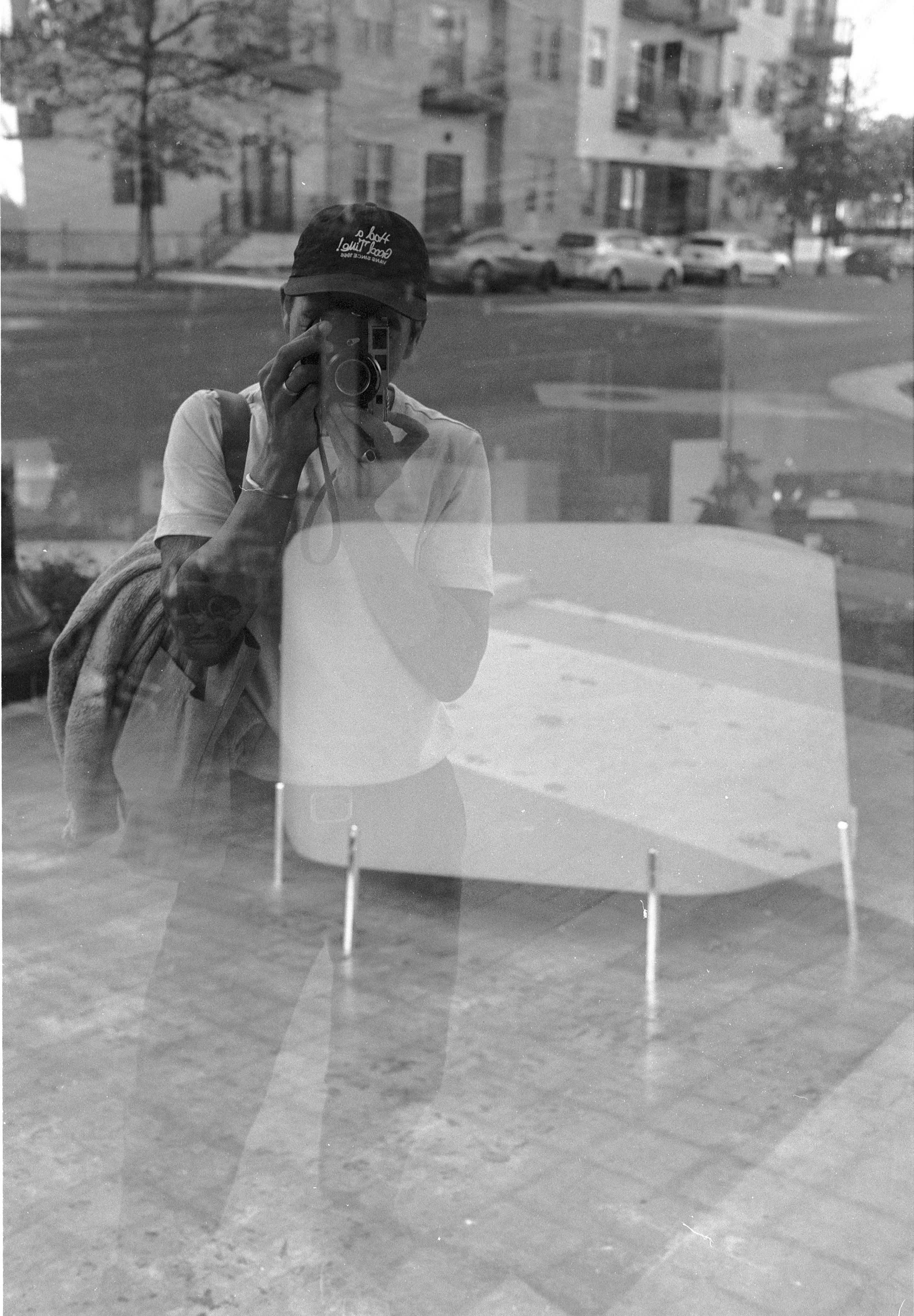
When Color Leaves, Structure Speaks
Lately, I’ve been asking less of color and more of form.
Not because color stopped mattering, but because removing it made things clearer.
When color leaves the frame, there’s nothing left to hide behind. The image either holds, or it doesn’t.
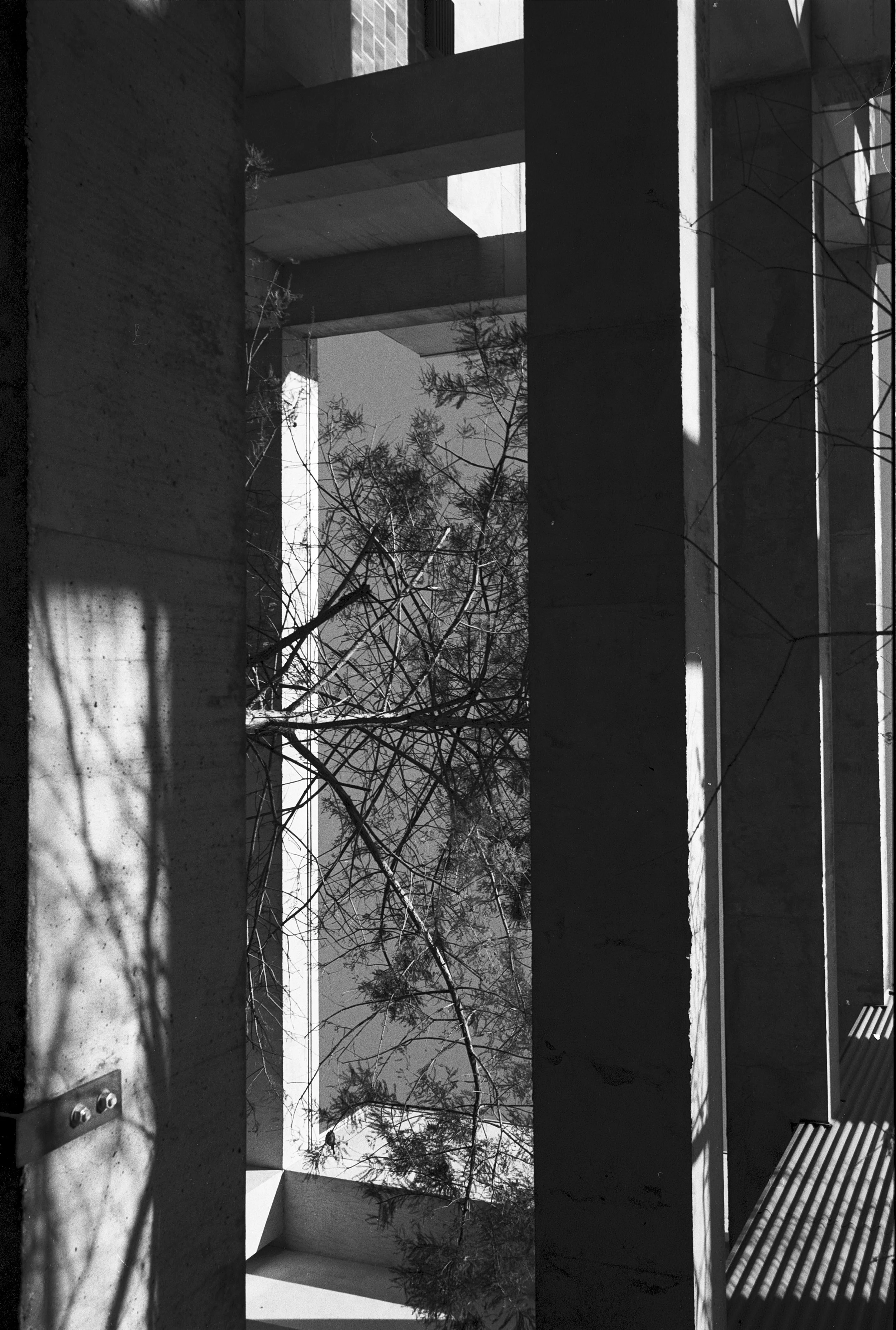
Black and white has a way of exposing structure.
Line becomes unavoidable.
Shape stops being decorative and starts becoming directional.
Negative space isn’t empty, it’s active.
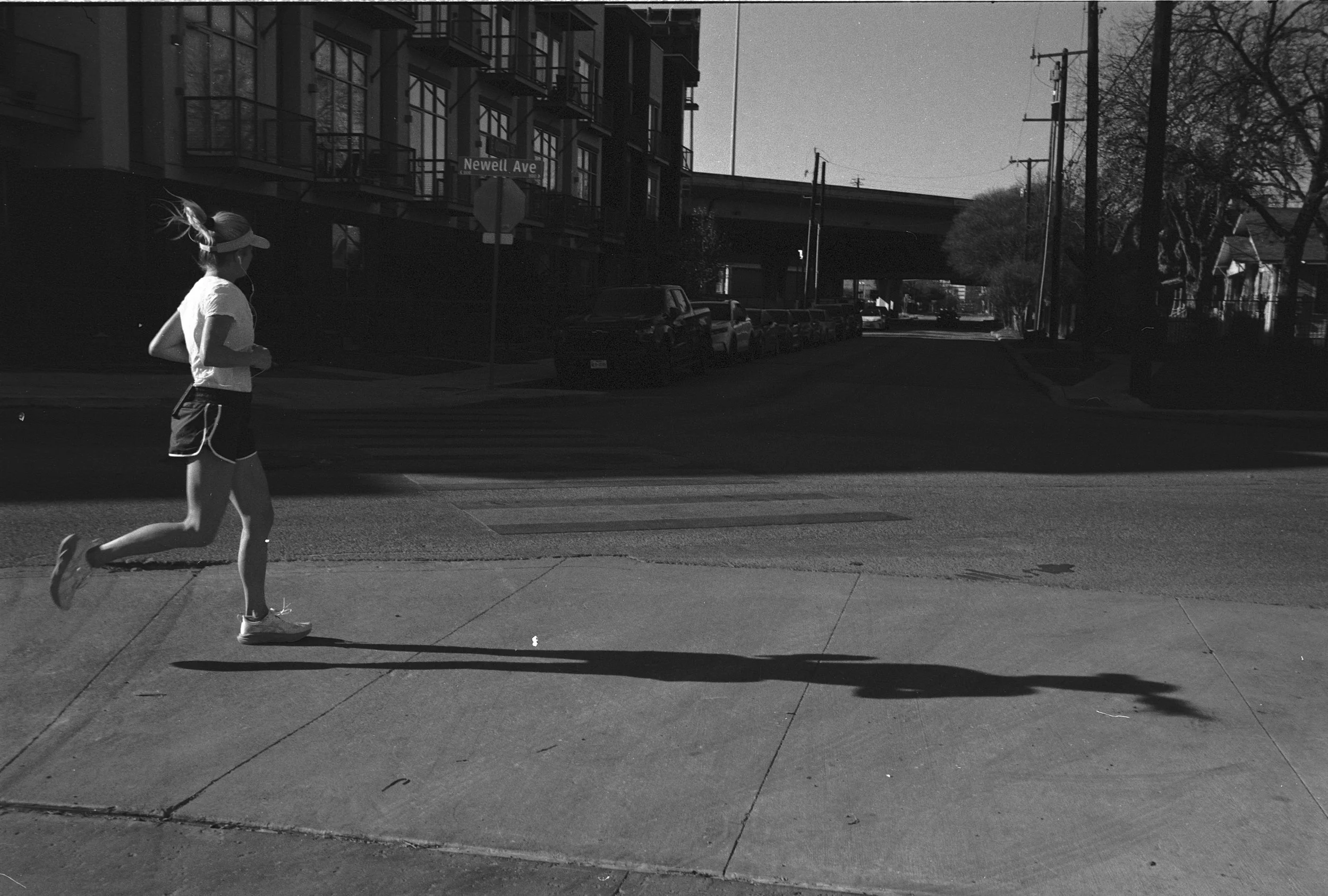
Without color, the eye moves differently. It follows edges. It searches for balance. It pauses longer. What felt expressive in color sometimes reveals itself as fragile in monochrome. What felt quiet suddenly feels intentional.
That’s been the lesson.
Black and white isn’t reduction, it’s exposure.
It reveals whether the photograph is being carried by design or distracted by information. Contrast replaces saturation. Rhythm replaces novelty. Form replaces explanation.
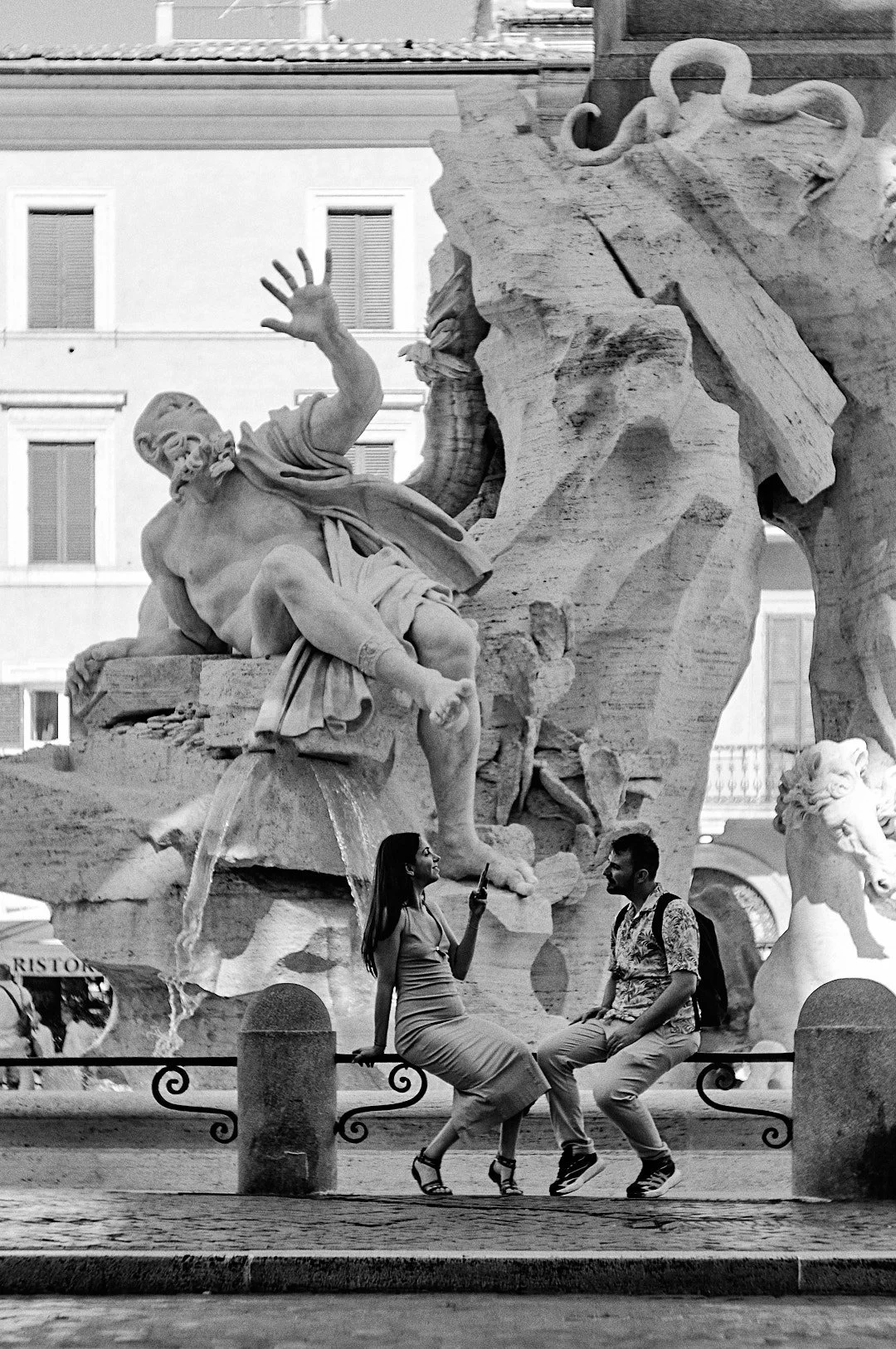
This is where design principles stop feeling academic and start feeling physical.
You can feel when a frame is weighted incorrectly. You can sense when a shape pulls too hard in one direction. You notice when the image breathes or collapses.
Film intensifies that awareness.
Because there’s no instant correction. No quick reassurance. You commit before knowing. You trust the structure you’re seeing in real time. The delay between exposure and result reinforces an important point: the photograph happens before the shutter, not after.
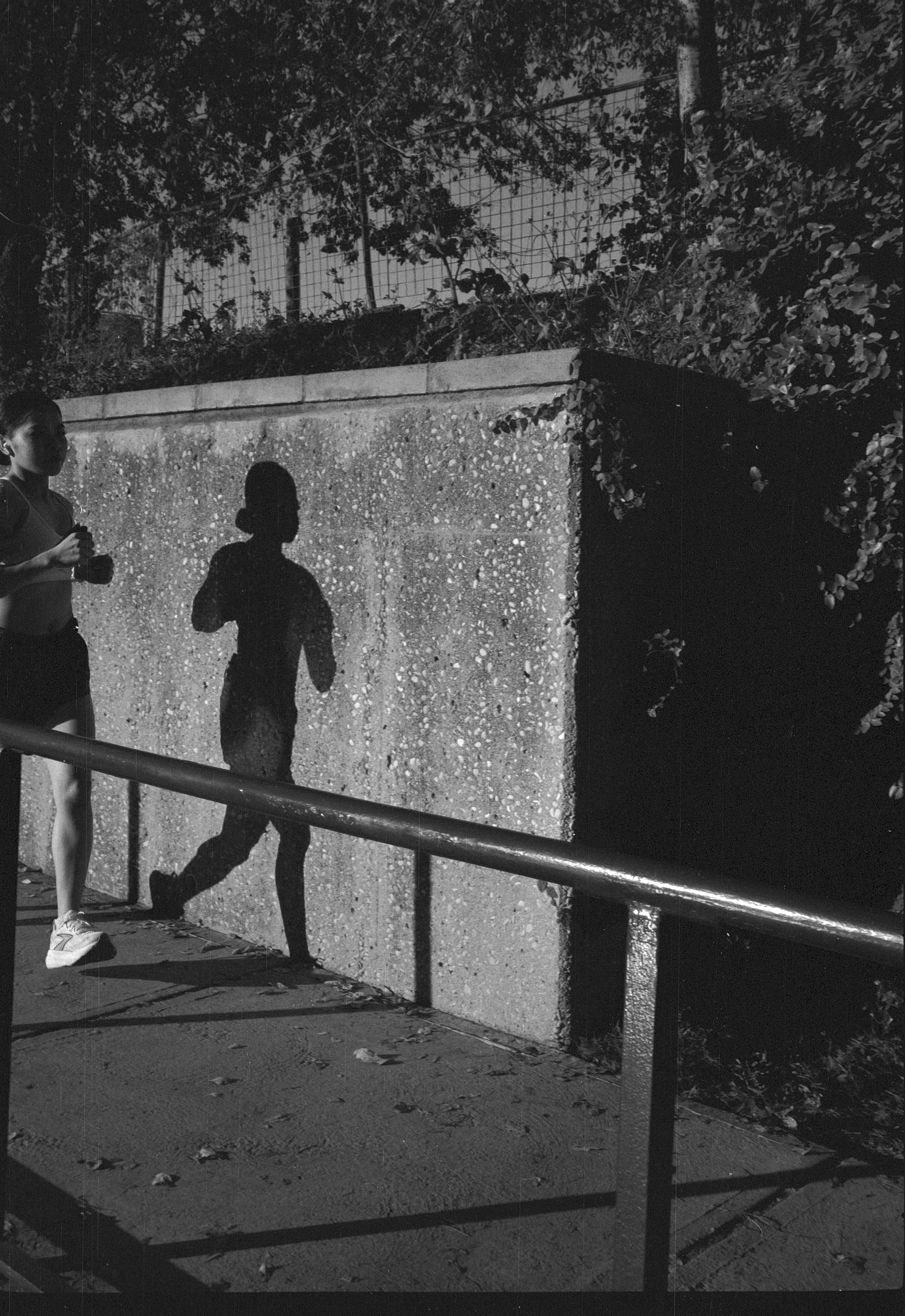
That delay has changed how I look.
I’m less interested in moments that shout and more attentive to frames that hold together quietly. I’m paying closer attention to how light carves form rather than how color fills space. I’m noticing that many of the images I keep returning to are the ones that felt simple when I made them.
Not empty.
Simple.
There’s a difference.
Simplicity, when earned, isn’t absence. It’s clarity. It’s restraint. It’s knowing what doesn’t need to be there.
Black and white has reminded me that photography doesn’t start with subject matter; it starts with structure. With how things relate to one another inside the frame. With decisions that happen before the shutter ever clicks.
Color will return. I’m sure of that.
But right now, letting it step aside has allowed something else to speak more clearly.
Form has a voice.
And I’m listening.
-John