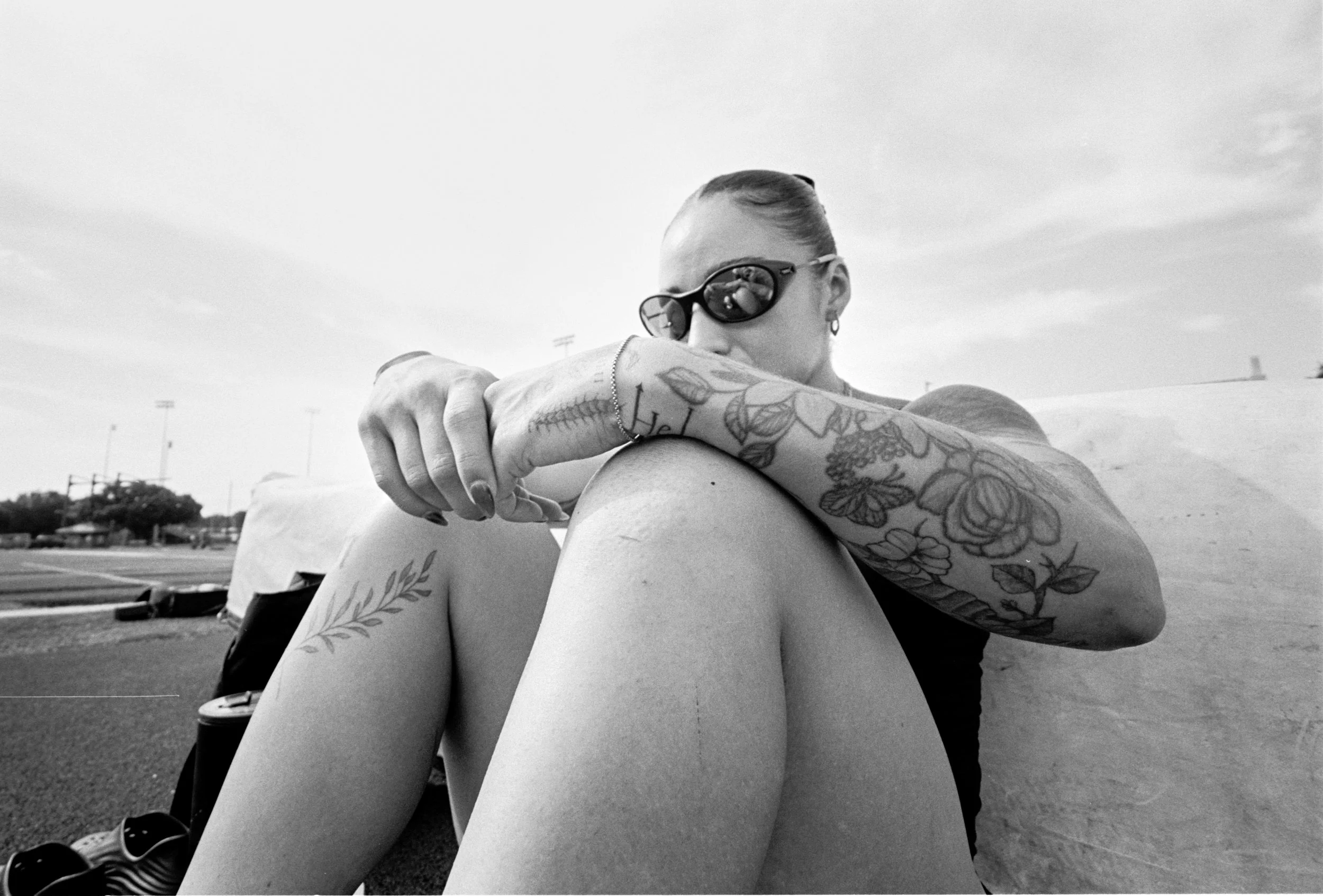
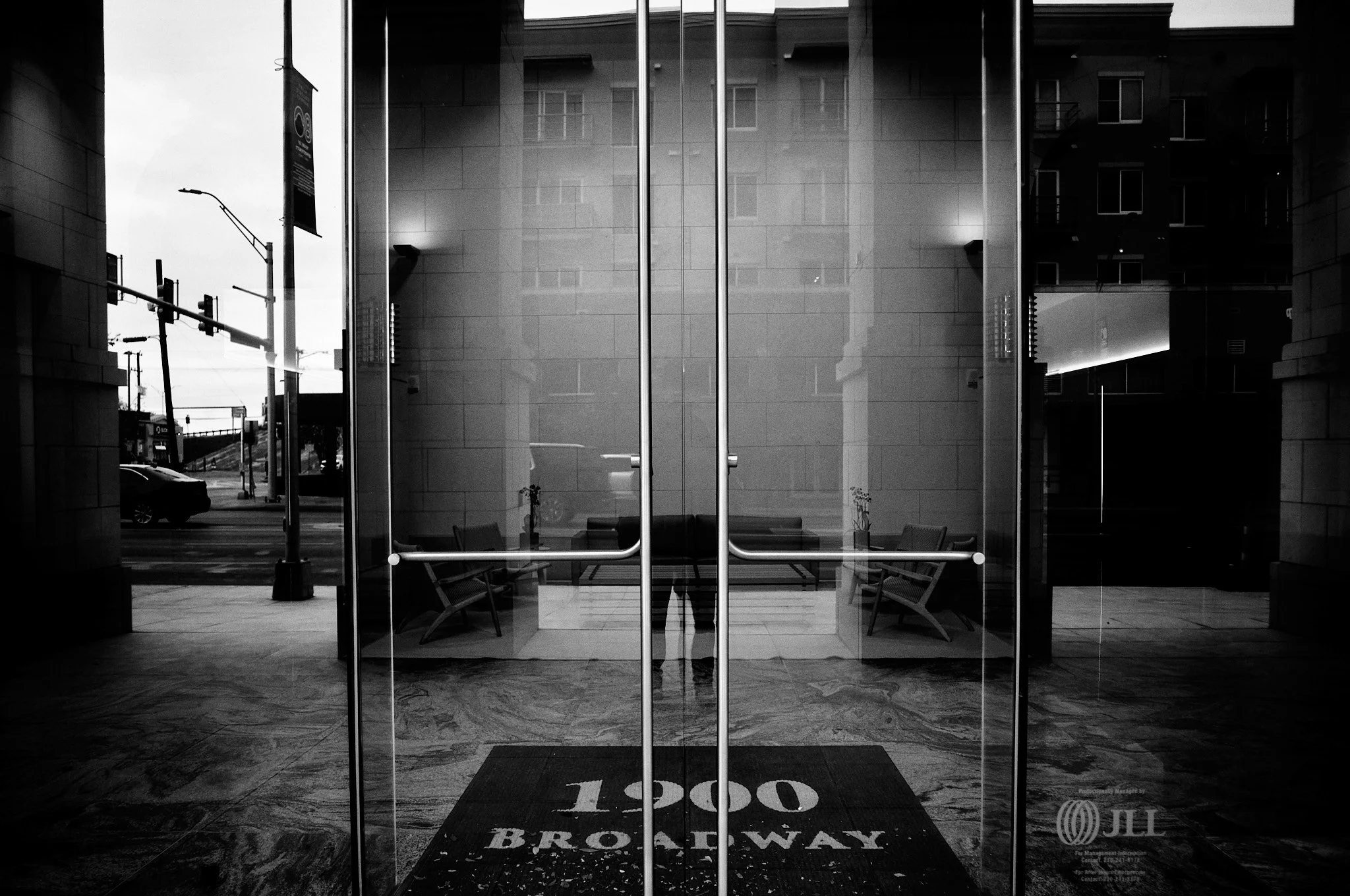
Field Note: Observations from the Streets
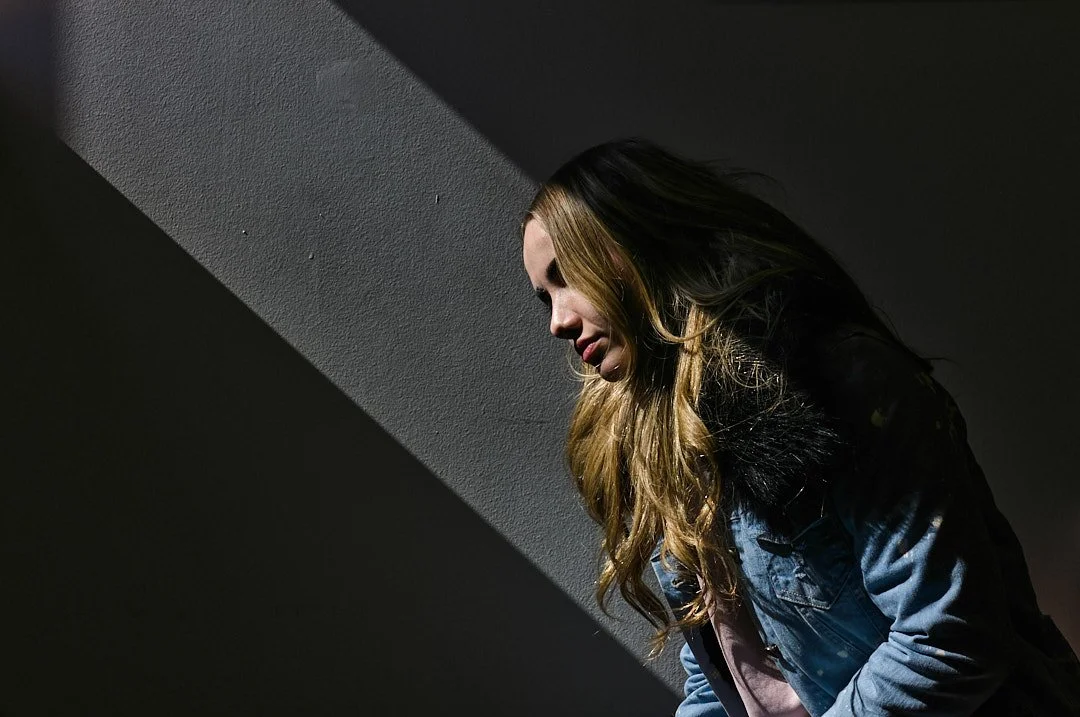
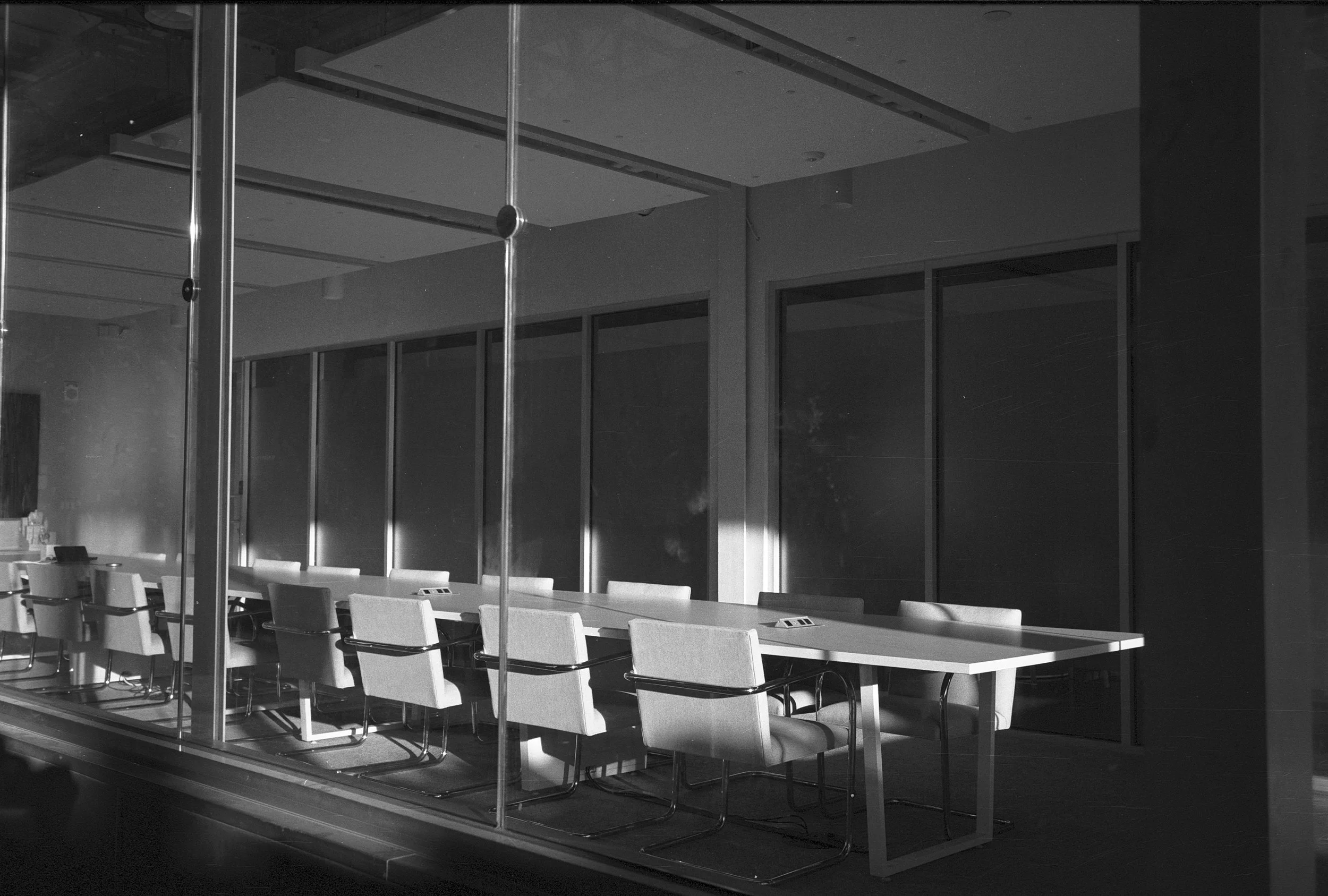
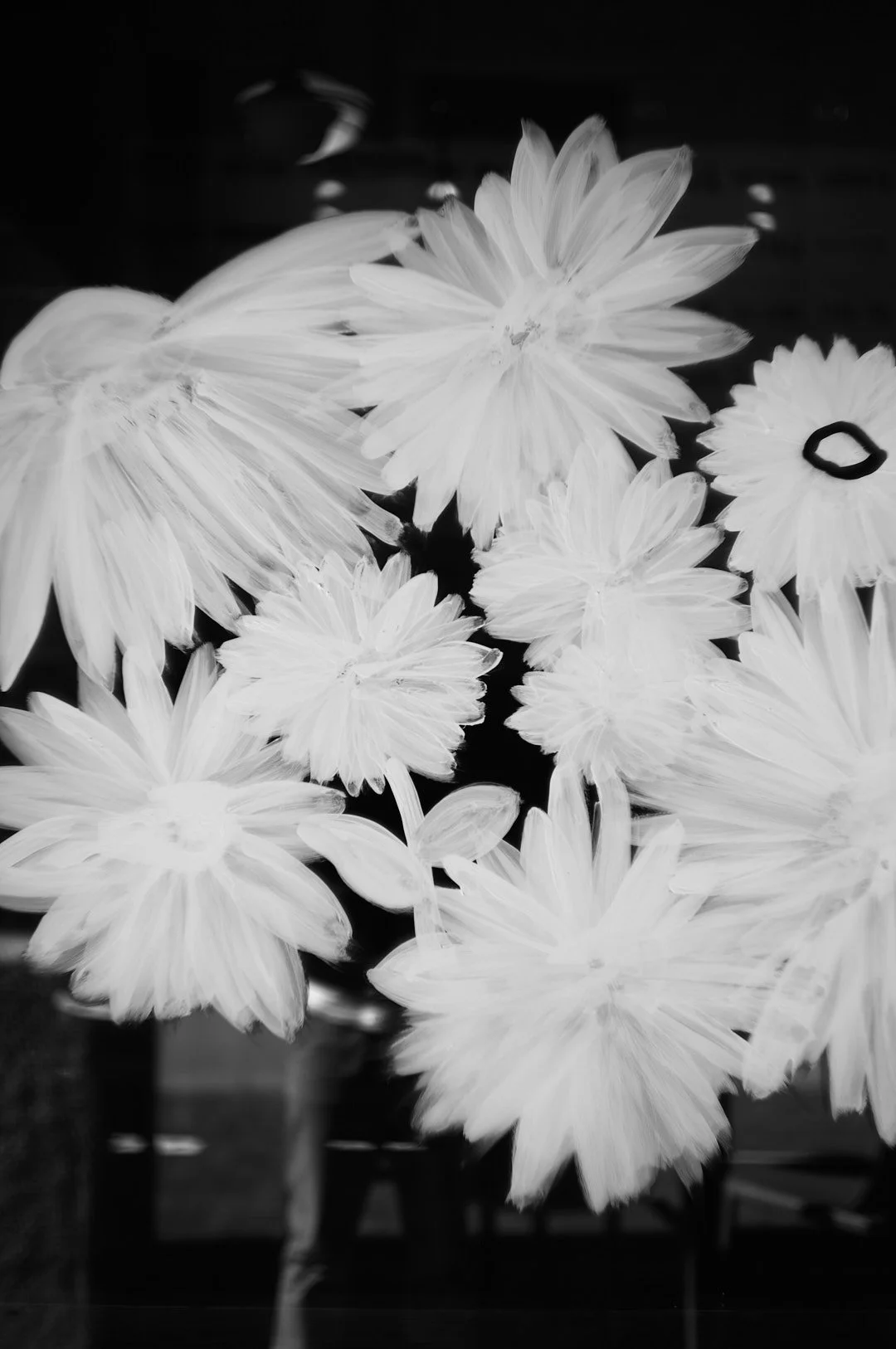
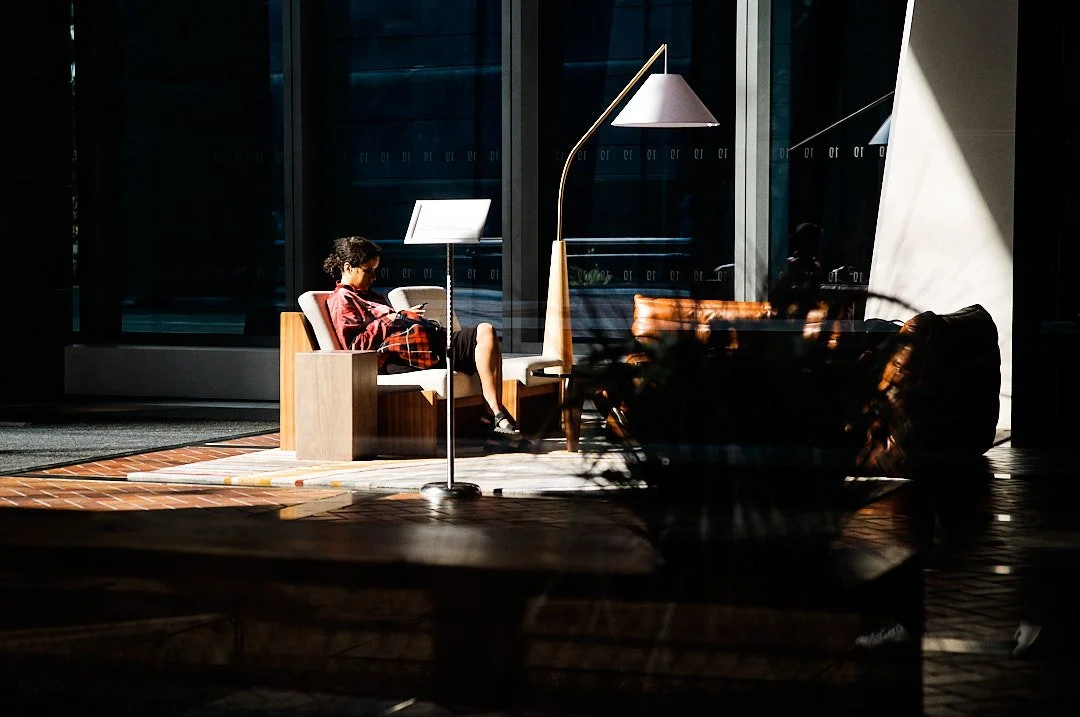
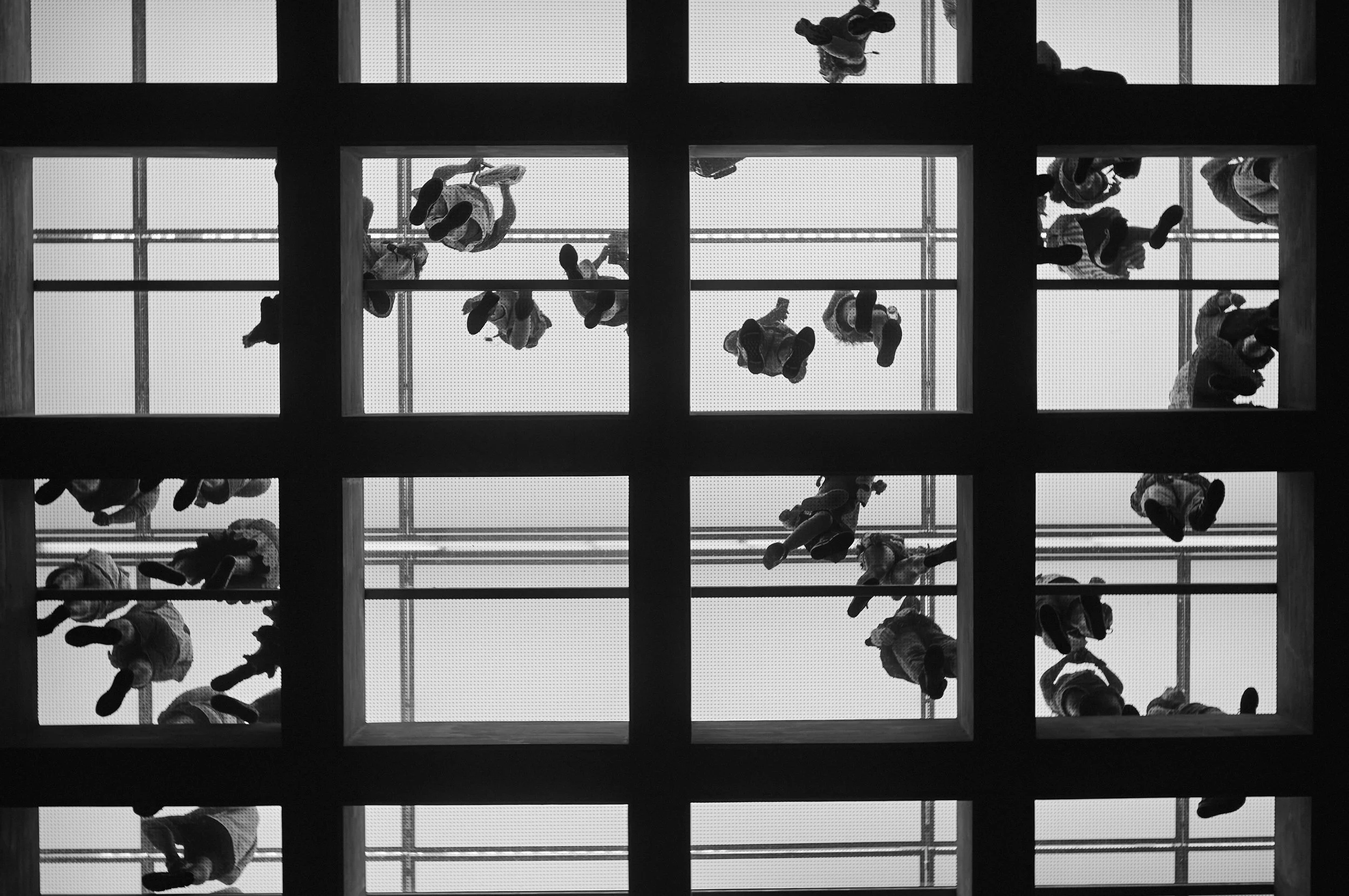
These aren’t just snapshots. They’re notes from the field, visual evidence of moments that asked me to pause, reframe, and reflect.
Field Notes is where I document the spaces between. A passerby’s gesture, a forgotten corner of a city, the way light hits a surface at 4:47 PM, each entry holds a trace of motion and memory.
Captured on Leica cameras, these moments are more than photographs. They’re timestamps in a moving world.
I started Field Notes not as a blog, but as a ritual. A place to mark small discoveries. A sketchbook made of shadow, geometry, and instinct.
Each image is paired with a short caption or handwritten thought, part journal, part visual poem.
The goal isn’t perfection. Its presence.
A Signal in the Noise
There are moments in a creative life that don’t make noise, but they shift something inside you. Today was one of them.
I’ve been thinking a lot about origin points lately, the decisions we make before we know what they’ll cost us or where they’ll take us. Back in 2018, I was at a moment where I wanted more from my photography journey and I knew I needed a tool that encourage and pushed me to be better. I just walked into a Leica Store in DC, after handed over every piece of camera equipment I owned to a reseller, and walked out with a single body and a lens I could barely afford.
Looking back, that moment feels less like a purchase and more like a commitment. Not to a brand, but to a way of seeing.
Since then I’ve stayed with Leica not because I felt like I had to, but because something about the system demanded more of me. It asked me to be honest. To slow down. To pay attention. To find the rhythm inside the everyday chaos. And in return, I found a community, mentors, peers, and conversations that shaped me more than any spec sheet ever could.
So when the images landed on the Leica Camera USA main feed today… it didn’t feel like a trophy. It felt like a quiet signal:
“Keep going. You’re on the right path.”
It’s easy to forget that our work travels further than we think. That someone somewhere is paying attention even when it feels like we’re creating in isolation.
Today reminded me that consistency has a way of becoming its own language. That showing up, even in doubt, even in the days where nothing clicks, matters.
This isn’t the first time I’ve felt supported by the Leica world. Leica Mexico, Leica LATAM… each one has offered moments of belief I’ve never taken lightly. But this one hits differently. Not better, just… louder. A different kind of affirmation. One that arrived at the right moment.
I have goals, and real milestones I’m working toward. Today completed some of them, but more importantly it clarified them. It tightened the horizon. It brought the next chapter a little closer.
And maybe that’s all a “milestone” really is.
Not a finish line.
Just a spark that reminds you to keep walking.
— J.H.
Field Notes
From Chaos to Clarity
My Dream Camera Set Up
My Dream Camera & Set Up. Why is it my dream camera, has it changed anything?
My Dream Camera Setup (That I Didn’t Even Know I Was Dreaming About)
This is the dream camera setup I didn’t even realize I was dreaming about.
A few days ago, I made a LinkedIn post about some recent conversations around AI and how shooting film has become my way of navigating all of it (spoiler: I picked up a new film camera). If you want to read that part, head over to my LinkedIn; that’s where I tend to drop spontaneous thoughts. Here, I want to dive into how it happened and what it’s taught me in this first month of shooting. I’ll Share some images below.
So… I bought the Leica MP.
I’ve owned the Leica M3 before, basically the same camera, just without a light meter. Most people will argue the M3 is the best-built Leica ever made, but that’s a debate for another time.
So how did I end up with the MP?
This is where it sounds a little wild, but it’s honestly what happened.
Most of you know I’ve been shooting with the M11-P as my only camera. It’s incredible in every way… but lately the process has started to feel a little — don’t kill me, automatic.
I know.
“Automatic” on a mostly manual camera?
John, what are you talking about?
Hang with me.
The beauty of digital is the freedom to shoot endlessly, as long as your card and battery can handle it. You can check the frame, correct immediately, adjust, and keep going. And trust me: I love all of that. It lets me chase the moment and get as close as possible to what I’m seeing in my head.
But… I hadn’t talked to anyone about this yet, so poke holes if you want in the comments. Something about that freedom was also removing the mystery. Removing the tension. Removing the risk.
Maybe after leaving the military, I’m missing a little excitement in my life. Who knows.
Austin, Greg, an MP… and “famous last words.”
I went to Austin to catch up with my buddy Greg Hatton. Of course, he was walking around with his M6. He introduced me to Kevin Arnold, who was shooting with a Leica MP (Black Paint).
So now I’m standing there like:
“Alright, did everyone get the memo except me?”
We started talking about film, process, differences, and the experience. And the more we talked, the more I realized this was exactly what I had been craving:
The thrill of not knowing if I got the shot.
The wait.
Trusting myself again.
Relying on instinct, not instant feedback.
Because if you don’t know: shooting a rangefinder isn’t like shooting through the lens (M-EV1 excluded). You have to visualize your depth of field. You have to imagine what’s actually inside the frame.
So I said the magic words:
“Let’s head to the camera shop. If they have an MP, I’m probably going to buy it.”
Famous last words.
Precision Camera had one.
You know the rest.
Now the “setup” part.
At the time, I already had a few lenses:
Leica 50mm f/1.5 LTM
TTartisan 28mm f/5.6
Leica 24mm f/2.8
Voigtländer 75mm f/1.5 LTM
All great lenses for their own reasons — but none of them felt right for the MP + 35mm film combo.
The 50 LTM is perfect for the M11-P because it knocks down that 60mp clinical sharpness, but on film? Different story.
The 24mm is big, and I wasn’t carrying the shoe-mount finder everywhere.
The 75mm felt too tight for what I wanted to make.
The 28mm f/5.6 was the closest match: tiny, clean frame lines, wide enough… maybe too wide.
I almost convinced myself to buy the Leica 28mm 5.6 and call it a day.
(And yes, I’ll admit it — I wanted a Leica lens on the Leica MP. Judge me if you want.)
But after running a few rolls through each lens, something clicked:
The 28mm 5.6 won on experience alone — but the shooting still didn’t feel “home.”
Enter the 35mm.
I love 50mm, but I wanted something different. Something that would feel personal to the MP. Something that brought me closer to the frame without going full 28mm.
After too many late-night searches, reviews, forums, YouTube rabbit holes…
I landed on the 35mm Summicron V4.
Yes — the one with the ugly plastic hood.
But I replaced it with the 12504 round vented hood, which is a game-changer for looks.
Picked it up from Tamarkin Camera (check them out — great people).
Leica MP & 35mm Summicron
And now…
8 or 9 rolls in.
Film stock locked in (Portra + T-Max).
Leica MP + 35 ‘Cron.
The dream setup I didn’t know I was chasing.
I’ll share some recent shots from the setup soon.
And if you want to hear about why I landed on these specific film stocks or anything else about this whole process, let me know in the comments.
— J.H.
Interwoven Cities at Bright Coffee
From Vision to Opening Night: What I Learned Putting on My Latest Show
When I started preparing for Interwoven Cities, I had a clear vision: exactly which images I wanted, the size they’d be printed, and the feeling I wanted people to walk away with. The idea was to provide a highly tactile experience, showcasing prints in their purest form, no frames, no glass, nothing between the viewer and the work. I wanted a more darkroom vibe, that raw moment when an image first comes to life.
The 40x60 prints demanded attention. Up close, you could see every detail, every grain. To hang them, I used simple wooden hangers clipped to the top, an unconventional choice that turned into a conversation starter all night. Alongside them, I offered one 12x18 print for each large image, signed, one of a kind, and never to be reprinted in that size.
Here’s where the reality check came in: I gave myself three weeks to prepare. Factor in travel right before the show, and that left me just two days to set up, order refreshments, sort out the music, and hang the work.
The Night Of
Bright Coffee was alive, friends, friends of friends, and plenty of new faces filled the space. The DJ spun vinyl, the coffee shop hummed, and the prints soaked up every bit of attention. I had planned to give a short speech about 30 minutes in… but the night swept me up. Before I knew it, someone had to say, “People want to hear from you.” I kept it brief, sharing the story behind the work, then went back to the part I love most, connecting one-on-one.
What I’d Do Differently Next Time
Promote earlier & louder – The turnout was solid, but earlier marketing could’ve reached beyond my immediate circle.
Price & present for sales – Prints sold even without price tags, but I know I left some sales on the table.
Delegate the flow – A dedicated event coordinator could’ve kept the schedule moving and freed me to focus entirely on guests.
Extend prep time – Three weeks was tight. Six weeks would’ve meant less scrambling and more refining.
Looking Back
It wasn’t perfect, but it was alive. The energy, the conversations, the music, the scale of the work… it was more than I could have asked for. If you missed it, the prints will remain up at Bright Coffee until September. See them in person. Stand close. Let them pull you in. And maybe, just maybe—you’ll leave with a print.
Thanks yous
Huge thank you to @brightcoffeesa for opening your doors and letting Interwoven Cities live on your walls. The space and energy were perfect.
To @soundsby.disndat, your vinyl set was the heartbeat of the night. Every track carried the room and made the work feel alive.
And to everyone who came out, took photos, shared reels, and made the night unforgettable, I’m grateful for each of you. You turned this from a gallery opening into a true gathering of community, art, and connection.
The show is still up through September. If you haven’t stopped by yet, see it in person.
📍 Bright Coffee | 1705 Blanco Rd | San Antonio, TX
- John Hendrick
Here is a summary of the night from Harrison on IG @stufflikethatthere
FB post written by fellow Photographer Harrison Scurry
FB post images and text by fellow Photographer Harrison Scurry
First Installment of COLOR CODED / 001: YELLOW
Yellow isn’t just a color, it’s a signal. In this free downloadable guide, I explore how yellow commands attention, evokes memory, and adds intention to your images. First in the COLOR CODED series.
Thanks for grabbing the first installment of COLOR CODED / 001: YELLOW.
This one's for the photographers who see signals where others see scenery. Inside, you'll find a quick dive into yellow's emotional weight, cultural punch, and how to make it work for your images.
💬 Drop a comment on Instagram (@johnhendrick_photo) or under the blog’s Field Note, would love to hear what stood out. All I ask is that you not share it with anyone directly, if you think someone would appreciate or can find this useful, that you redirect them to the website.
Let’s keep learning, one color at a time.
📍 Shot, written and designed by a San Antonio Leica street photographer.
Why Color Still Matters
Yellow Street Photography San Antonio – Color Theory in Urban Light by John Hendrick
Introducing “Color Coded”, A Visual Challenge, A Creative Practice
Color does more than fill the frame. It directs the eye. It shifts the mood. It speaks when words fall short.
Over the years, my photography has shifted between chaos and clarity, capturing moments of motion (utilizing slow shutter speeds), shadows (in monochrome), and sharp edges (with a deep depth of field). However, one thing has remained constant: color has always been a guiding force. Sometimes obvious, sometimes hidden in plain sight. But always saying something.
That’s why I’m introducing a new alternating series called Color Coded, a weekly invitation to see what color is trying to show you.
What Is “Color Coded”?
Color Coded is my way of bringing you into the conversation between light, tone, and emotion.
Every other Monday, I’ll post a featured color, starting with yellow, and explore how it shows up in life and art. I’ll break down what it means, where it hides, and how it can shape a story within a frame.
But it’s more than just a study.
It’s also an invitation:
📸 Seek out this week’s color
🏷️ Tag me and use the hashtag #CCByHendrick
🔁 I’ll be sharing selected submissions on my stories and future FN (blog) post.
Let’s start tuning our eyes to the subtle language of color.
What Happened to Field Notes?
Don’t worry, Field Notes isn’t going anywhere.
That series, which explores the conceptual and emotional side of photography, will now rotate weekly with Color Coded. It gives space for both intuition and instruction, reflection and repetition. Think of it as two parts of the same mission: to look closer, feel deeper, and make work with intention.
Field Notes → Thought-provoking insights, voice-led stories, quiet questions.
Color Coded → Visual language, color theory, weekly photo prompts.
Each series will alternate, giving you something new to chew on every Monday.
Closing Thoughts
I’m building something that balances education and emotion, presence and practice.
If Field Notes is the journal, then Color Coded is the lesson.
And when you put them together, you start to see the work a little clearer, frame by frame, week by week.
Thanks for being here.
Let’s see what yellow brings.
- JH
Explore More Work →
NEXUS: Leica Lenses, Evolving Vision, and a Gallery in Progress
If you read my last post (Finding My Frame), you already know how this city held space for me to rebuild after two decades of motion. But this post isn’t about the beginning…
Six years in one place, San Antonio, has taught me a lot about photography, but even more about patience.
If you read my last post (Finding My Frame), you already know how this city held space for me to rebuild after two decades of motion. But this post isn’t about the beginning, it’s about the gear, the shifts, and the decision to finally share what I’ve been building: NEXUS.
San Antonio Leica Street Photography | John Hendrick
What Is NEXUS?
NEXUS is a living archive, an evolving street photography series captured throughout my time in San Antonio. It’s a visual reflection of presence, movement, and personal change. Some images are refined. Others feel like sketches. But that’s intentional. Because this work is less about perfection, more about process.
I’ve just published the initial gallery, and I’ll be adding new images in the coming weeks as I continue combing through my archive. There’s more to uncover.
Gear That Shaped the Vision
San Antonio Leica Street Photography | John Hendrick
Throughout this project, I shot exclusively with Leica cameras—specifically:
Leica M240 – For its versatility and depth in color
Leica M246 Monochrom – A lesson in light, shadow, and restraint
Leica Q-P – Compact, fast, and surprisingly intimate with its fixed 28mm
Leica SL – When I needed precision and presence in more composed frames
But beyond the bodies, the lenses told the story. Each one shifted how I approached the frame:
50mm Summicron – Classic, crisp, and balanced
35mm Summilux – Soft yet fast, ideal for close moments and evening light
90mm Summicron – Taught me to wait, to observe from a distance
28mm Elmarit – Brought into the environment, the edges, the tension
Why Share This Now?
Because for a long time, I thought I needed to finish a project before putting it into the world. But NEXUS isn’t something to finish, it’s something to return to.
I’m inviting others, curious photographers, local artists, and Leica lovers, to follow the arc as it builds. Whether you’ve lived in San Antonio or just passed through, I think you’ll find something here.
San Antonio Leica Street Photography | John Hendrick
What’s Next?
This isn’t the end of the road—far from it.
NEXUS is one part of a larger structure I’ve been quietly building over time. Each project I’ve released is tied to a letter of my last name. From Homeland to Kaizen, Interwoven Cities to Recollection, each one marks a place, a philosophy, a phase.
This is the “N” in HENDRICK.
Not every letter is filled in yet. And that’s intentional. These aren’t just photography series, they’re milestones. Memory-mapping through cities, seasons, and shifts in self.
By the time the final project arrives, each letter will speak to a different piece of the whole.
For now, I hope you’ll explore NEXUS and maybe even return as it grows.
👉 View the NEXUS gallery here
👉 Read the first post: Finding My Frame
Finding My Frame: Six Years of Walking San Antonio with a Leica
After six years of photographing downtown San Antonio with a Leica in hand, I’ve learned to see the city differently, through light, rhythm, and memory.
Six years ago, I arrived in San Antonio with a Leica in my hand and the habits of a New Yorker still in my bones.
I didn’t know the streets yet. I didn’t have a favorite light. But I knew I’d walk them until the city spoke back. I’ve spent the last six years photographing downtown San Antonio, 3 of those years from 9- 5 pm Monday through Friday, capturing street life, shadows, and silence with Leica cameras. I have used so many iterations of the Leicas, but always an M.
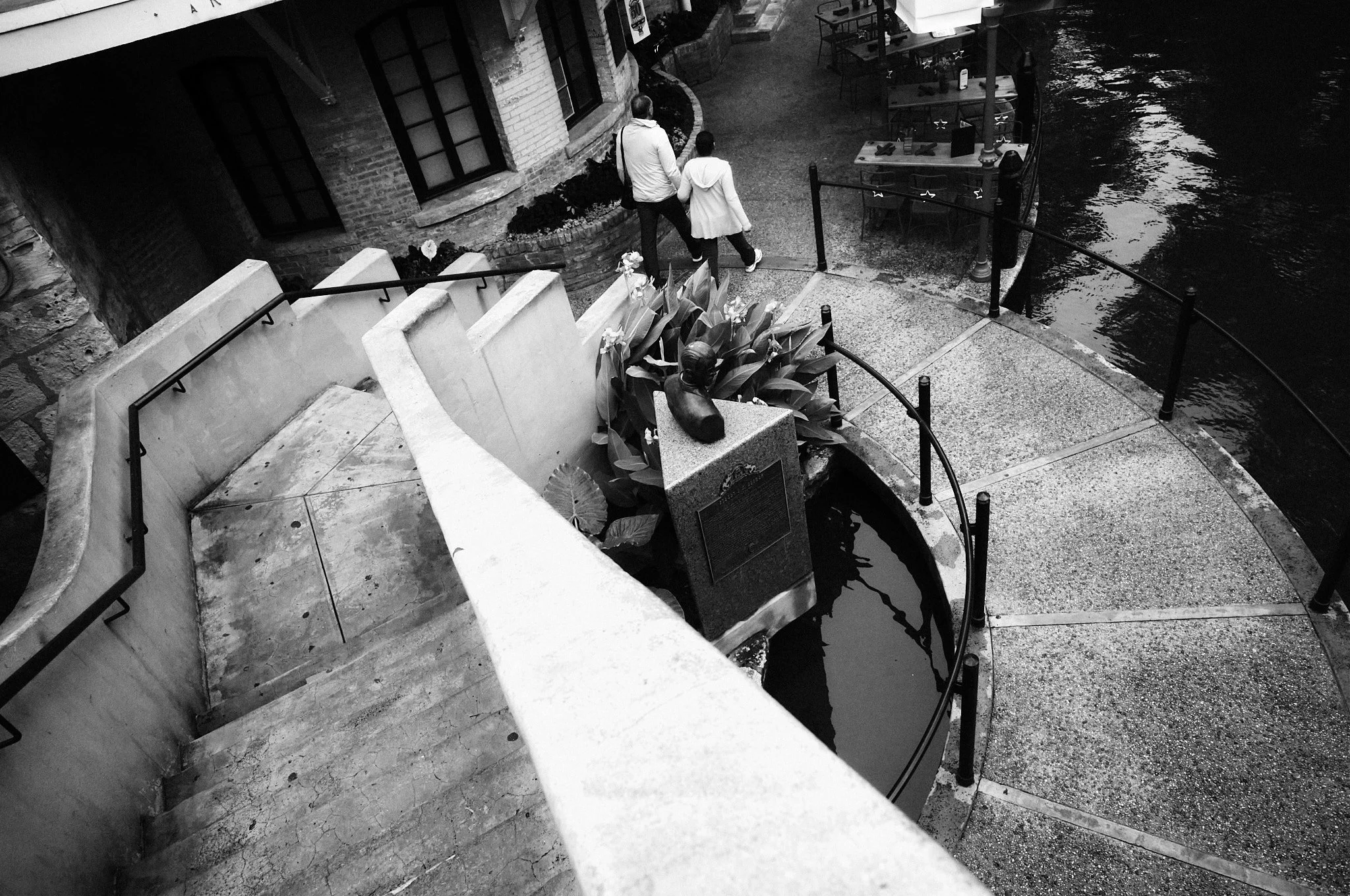
Where NYC moved at a sprint, San Antonio moved like a whisper. The downtown core wasn’t bustling, but it was revealing, if you looked close enough. I was surprised that a city that is so tourist-centered could feel so empty at times. My initial reaction was “how was I going to continue with street photography? Could I possibly make inspiring images? One location that immediately stood out for me was Market Square, the shot below was shot on the M240 during one of my early San Antonio days.
San Antonio, Market Square, shot on the Leica M240 - John Hendrick | Street Photography
I stopped chasing the postcard shot. I started listening for rhythm. San Antonio gave me space to slow down, to miss shots, to see more. As a new person in town, I of course had to go through taking all the shots that had been done before. I do it freely because I feel that only after you have taken all these images can you truly start to see new points of view. You kind of have to go through the “postcard” shots to find that one. The shot below is what I use as an example to tell my students Don’t forget to look up.
San Antonio, Torch of Friendship, shot on Leica M240 - John Hendrick | Street Photography
I shoot exclusively with Leica cameras, currently the M11P, and walk the city with no set route. Just light, instinct, and patience. As a Leica street photographer in San Antonio, what I noticed six years in, I still find new corners. New shadows. New ways to tell the same streets differently. This is the first in a series, stories from the sidewalk, notes from a Leica lens, and reflections on what it means to see the world one frame at a time.
Subscribe for future Field Notes and stories
Follow the journey on Instagram @johnhendrick_photo